
Ad spend, held to account.
Ad accounts tend to leak money in the same three places: tracking that miscounts, one tired creative, and traffic sent to a page that was never built to convert. We fix the measurement first, then run Google and Meta campaigns with a steady flow of new creative and landing pages made for each offer. Every decision is reported in cost per lead, so budget moves towards what works.
- Google Ads
- Meta Ads
- Conversion tracking
Paid ads on Meta and Google at a glance
- What it is
- Google Search, Performance Max, YouTube and Meta campaigns, with the ads, landing pages and tracking.
- Who it is for
- Businesses ready to spend on ads that want to know what each enquiry costs.
- Price
- A monthly management fee quoted after a call. Ad spend is separate and paid to Google or Meta.
- Time
- Tracking and the first campaigns in the first weeks; results judged over a few weeks of spend, not days.
- Where
- For clients across India, the UAE, Oman and Saudi Arabia, from our team in Maharashtra.
Spend you can trace.
Tracking you can trust
Conversions, offline leads and consent set up properly, so the platforms optimise for enquiries rather than clicks.
Creative tested, not guessed
New hooks, formats and angles every cycle, with the losers paused and the winners given budget.
Cost per lead you can act on
Spend, leads and cost per lead by campaign and ad on a live dashboard, with the budget moves that follow.
Ads run as tests, with the budget following the results.
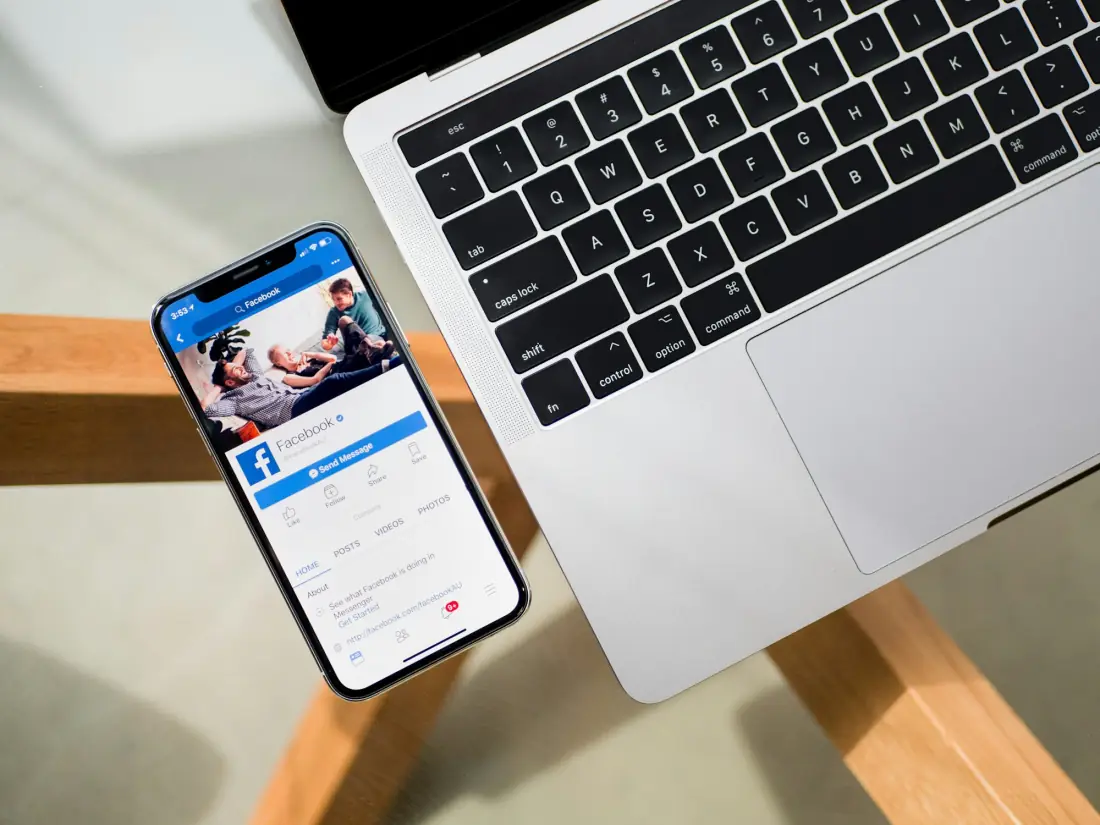
Paid ads put your offer in front of people on demand: on Google when they search for what you sell, and on Facebook, Instagram and YouTube when they fit the profile but are not looking yet. We plan, build and run those campaigns, produce the ads, build the landing pages and set up the tracking that ties spend to enquiries. For ATR Drill, a drilling equipment supplier in Dubai, that sits alongside the website and social content we also run.
The platforms now handle much of the targeting automatically, so the levers that matter are clean conversion data, a steady supply of creative and pages that convert. We work on those three, review results on a fixed cadence, and move budget on cost per lead rather than reach or clicks.
What ad management includes.
Google Search campaigns
Keyword themes, match types and negatives built around buying intent, with ad copy written for the query rather than the brand book.
Performance Max and YouTube
Asset groups, audience signals, product feeds and video built for Google's automated campaigns, with exclusions that keep spend on target.
Meta Advantage+ campaigns
Broad targeting and automatic placements on Facebook and Instagram, fed with enough creative variety for the system to find buyers.
Creative testing
Static, carousel and short video ads produced in batches, each one testing a single idea: a hook, an offer or a format.
Landing pages
Pages built for one campaign and one action, fast on mobile and matched to the promise the ad made.
Conversion tracking and reporting
GA4, Tag Manager, the Conversions API and offline lead imports set up so every enquiry is counted once, then reported as cost per lead.
How we set up and run your ads.


 CampaignsTrackingLanding pagesLeaks foundQuick fixes1Fix tracking2New creative3Match the pageAgreed
Stack we reach for
- Google Ads
- Meta Ads Manager
- GA4
 Google Tag Manager
- Meta Conversions API
 Looker Studio
Paid search and paid social, explained.
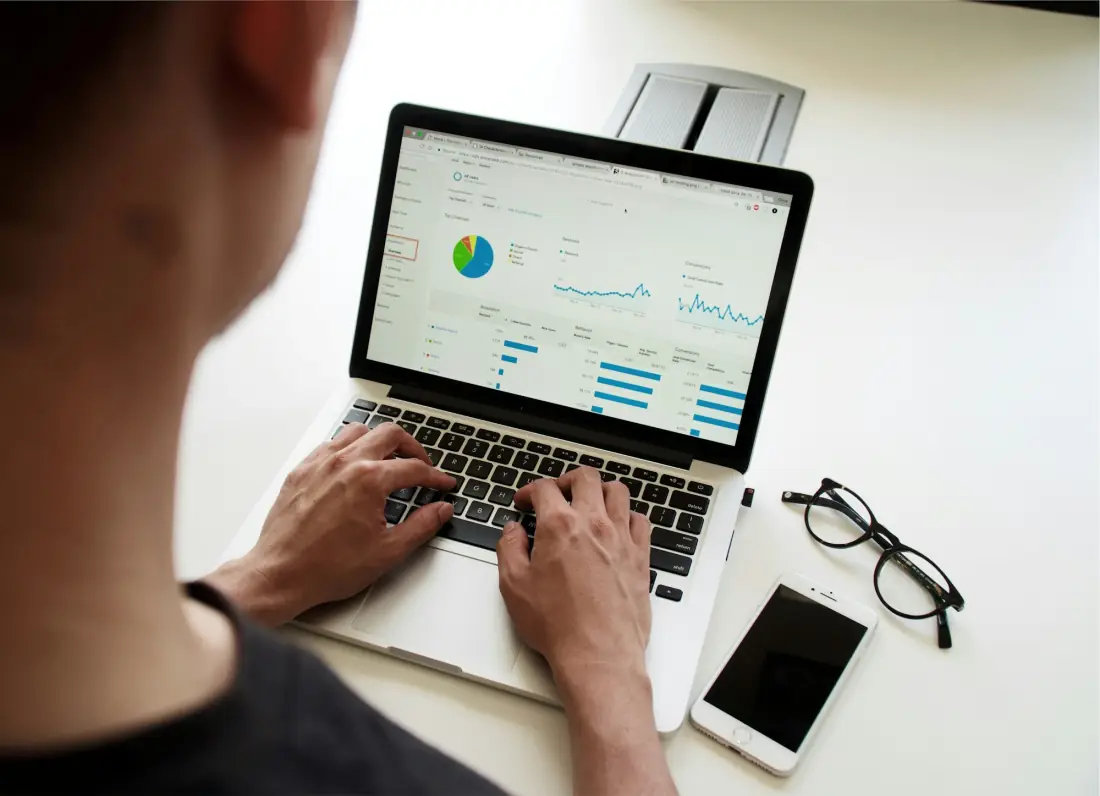
Google and Meta sell attention at different moments. Google Search reaches people who are already looking: they type a problem or a product, and an ad appears against that query. Performance Max extends a single campaign across Search, Shopping, YouTube, Display, Discover, Gmail and Maps, using your assets and conversion data to decide where to show. Meta reaches people on Facebook and Instagram before they search, which makes it strong when demand has to be created rather than captured.
Both platforms now lean heavily on automation. Advantage+ campaigns on Meta and Performance Max on Google choose audiences and placements themselves, so they are only as good as the signals they receive. That puts the weight on three things: accurate conversion tracking, including the Conversions API and offline imports of qualified leads; enough creative variety for the system to test; and landing pages that keep the promise the ad made. Get those right and the automation has something worth optimising for.
Cost per lead is the most useful single number for a lead generation account, but it needs context. A cheap lead who never picks up the phone is expensive. Feeding lead quality back from the CRM, comparing cost per qualified lead across campaigns and judging creative over enough spend to be meaningful keeps decisions grounded. For e-commerce, return on ad spend plays the same role. Clicks, reach and click-through rate are useful diagnostics, but they are not the goal.
Paid ads on Meta and Google: questions
Common questions about paid ads on Meta and Google.
Anything else, ask us on WhatsApp or by email.
It depends on what a lead is worth to you. As a guide, Meta says an ad set needs about 50 conversions in a week to finish learning, so the budget has to buy enough leads to learn from. We set a starting figure from your target cost per lead during the audit, before any spend. Our fee is quoted separately from ad spend.
Guides on paid ads on Meta and Google.

Paid ads
Meta ads vs Google ads: search intent, feed discovery and how to split a first budget.
Google Search catches demand and Meta creates it. Here is when each one wins, how to split a first budget by testing instead of guessing, and how to measure both properly.
30 October 2026Read
Paid ads
Meta ads after Andromeda: why varied creative matters more.
Meta's ad system now picks from far more ads, far faster. That shifts the advertiser's job from narrow audiences to genuinely different creative and clean conversion data.
15 October 2026Read

Web projects
Shopify vs custom e-commerce: when to stay, when to build, and the middle path.
Shopify suits most stores from day one. Custom development pays off only when the business needs something Shopify cannot do well, and headless Shopify sits in between.
30 October 2026Read
Other marketing and growth services.
- The whole discipline
Marketing and growth
SEO, social media, content and Meta and Google ads, run by one team and reported in enquiries.
SEO, GEO and AEO / Social / Meta and Google ads - Specialist service
SEO, GEO and AEO
Found on Google and in AI answers.
Technical SEO / Structured data / AI visibility - Specialist service
Social media management
Posts with a point.
Carousels / Reels / Community - Specialist service
Branding and design
A look people remember.
Logo design / Brand identity / Brochures and PDFs
- Specialist service
Also from the same team
Want to know what each lead costs?
Tell us what you need and roughly when. We will come back with questions or a time to talk.