
Web projectsBy Naman Agarwal · 20 October 2026 · 2 min read
Adding Arabic to your website: what it costs and what actually changes.
Arabic is not a translation job. The whole page flips from right to left, and that is where the extra cost comes from. Here is what changes, and how to plan for it.

Clients in the UAE often ask us to just add Arabic to an English website. It sounds like a translation job. It is not, and knowing why will save you money and a few arguments later.
Arabic flips the whole page
Arabic reads from right to left, so the layout has to mirror. The menu moves to the right, text aligns right, arrows point the other way, and anything that slides in from one side should now come from the other. Numbers, phone numbers and English brand names still run left to right inside Arabic sentences, and that mix is where small bugs like to hide.
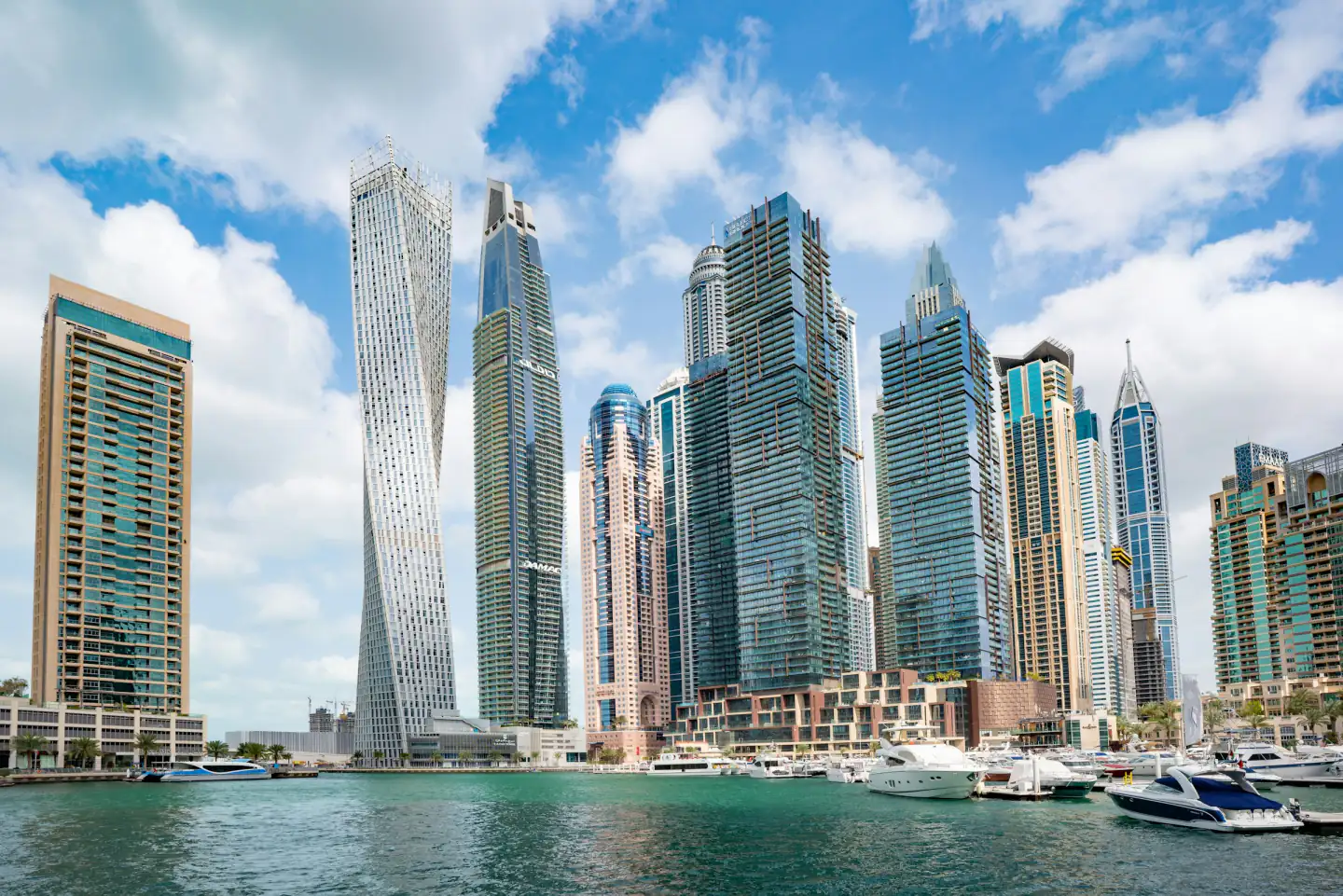
A Dubai agency that publishes its costs puts the extra for a bilingual Arabic and English site at 20 to 35 percent, and says the premium comes from mirroring the whole interface, not just swapping the text.
Where the money goes
- Layout. Every page template has to work both ways round.
- Fonts. Arabic needs its own typeface, one that sits comfortably beside your English one.
- Translation. Good Arabic copy comes from a translator or a native writer. Machine translation is a draft at best.
- SEO. Each language needs its own pages, titles and descriptions, and search engines need to be told which page is in which language.
- Testing. Every page checked in both directions, on phones as well as laptops.
How to keep the cost down
The biggest saving is deciding early. If we know from the start that a site will have Arabic, we build every component to work in both directions from day one, using layout rules that flip on their own. The same agency notes that this approach sharply reduces the premium. Adding Arabic to a finished site means going back through every page.
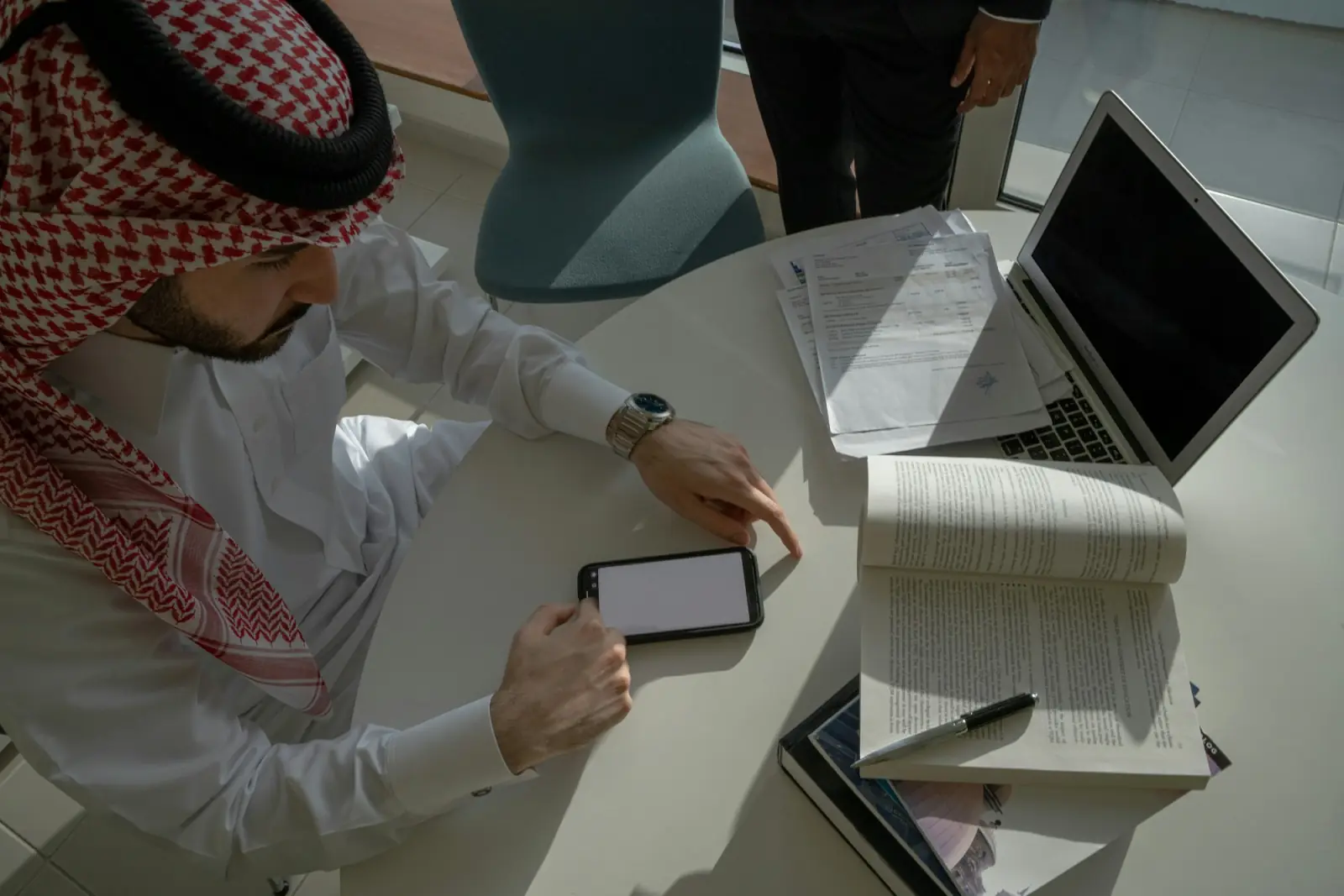
- Decide on Arabic before design starts, even if the Arabic pages go live later.
- Translate the pages people actually read in Arabic first. For many B2B sites that means home, about, services and contact, not every blog post.
- Have your translator review the pages on the live preview, not only in a document, so line breaks and headings look right.
Do you need Arabic at all?
Not always. Plenty of Dubai businesses, especially in trading, property and professional services, sell mostly in English. Arabic matters most when your buyers are Emirati or Saudi, when you deal with government, or when you want to rank for searches made in Arabic. If you are not sure, look at who actually enquires today.
We build two-language sites with right-to-left Arabic for clients in the UAE and the Gulf. Tell us about your site and we will tell you honestly whether Arabic is worth it for you, or read more about how we work with UAE businesses.
Want this done for you?
Web projects for businesses in India and the UAE.
More from the blog
- WebsitesApple's first touchscreen MacBook: what it means for your website, and should your business buy one?Read the post
- Web projectsNext.js vs WordPress: an honest comparison for a business website.Read the post
- Web projectsShopify vs custom e-commerce: when to stay, when to build, and the middle path.Read the post